
Modified on: 10/09/2026
Texture is the useful first clue
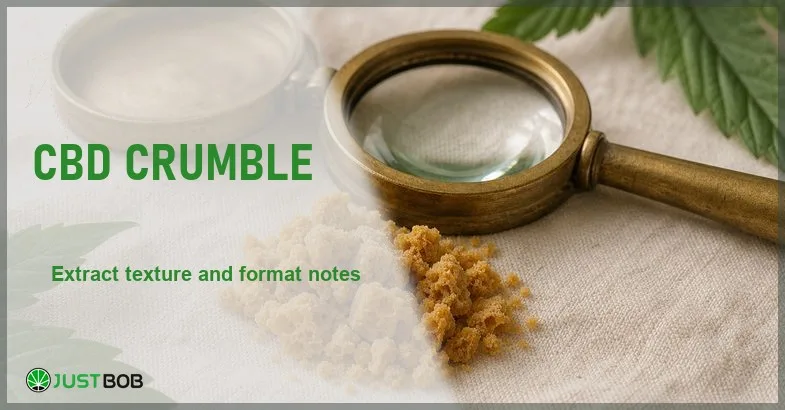
CBD crumble is easiest to explain when the article reads texture like a product clue, not a performance trick. CBD crumble is a dry, crumbly form of hemp extract, and the most useful way to describe it starts with how it looks and breaks rather than with anything beyond the product. This guide reads it as a format: what the texture means, how a product card words it, and how the label and document keep the description honest.
-
 Max CBDAMNESIA CBD BOOSTStarting from: 0,85€/g
Glasshouse | CBD<40%
Grams5 10 20 50 100 200 400 -
Max CBDAK47 CBD BOOSTStarting from: 1,45€/g
Indoor | CBD<47%
Grams5 10 20 50 100 200 -
Max CBDCHARAS
CBD HASH | CBD<45%
Starting from:FLASH SALE -10%
0,90€0,80€/gGrams5 10 20 50 100 200 -
JB OIL 25%Starting from: 14,90€
CBD Oil 25%
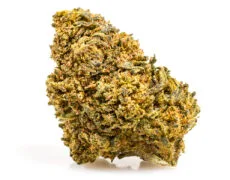
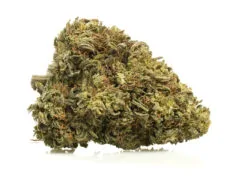
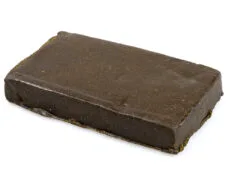
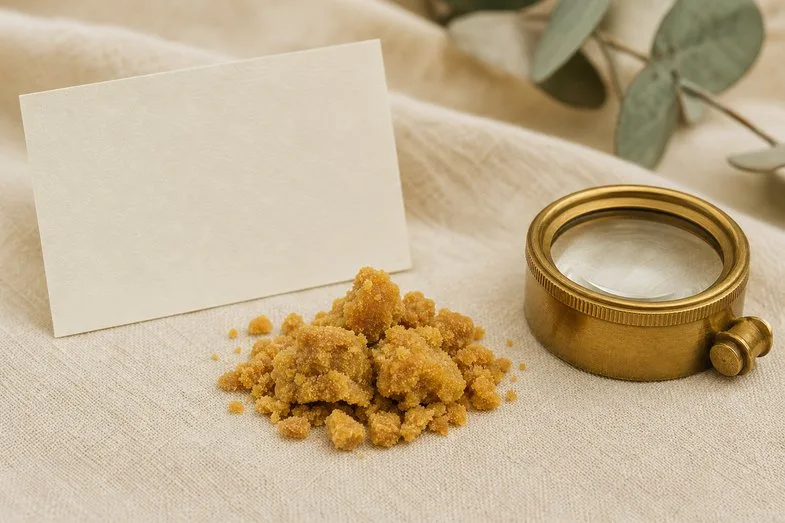
Picture a product card on a clean surface, a small portion of the extract beside it, and the certificate within reach. That is the honest setting for the topic. CBD crumble is best understood as an object with a recognisable texture and a document, and the crumbly words only stay useful when they keep tidy boundaries.
What cbd crumble means
CBD crumble is a hemp extract with a dry, friable texture, drawn from Cannabis sativa L. grown as an agricultural crop. The name describes a format: an extract that breaks into soft, crumbly pieces rather than holding together as a solid sheet. Read plainly, CBD crumble names a texture and a place in the extracts family, offered for technical, scientific and ornamental purposes.
Kept at that level, the term stays steady. CBD crumble is the crumbly entry among the extract formats, distinct from a glassy sheet or a soft paste by the way it looks and breaks. The job of this page is to describe that texture clearly and to point a reader toward the CBD extracts category, where the actual extracts are listed and compared.
Texture and format
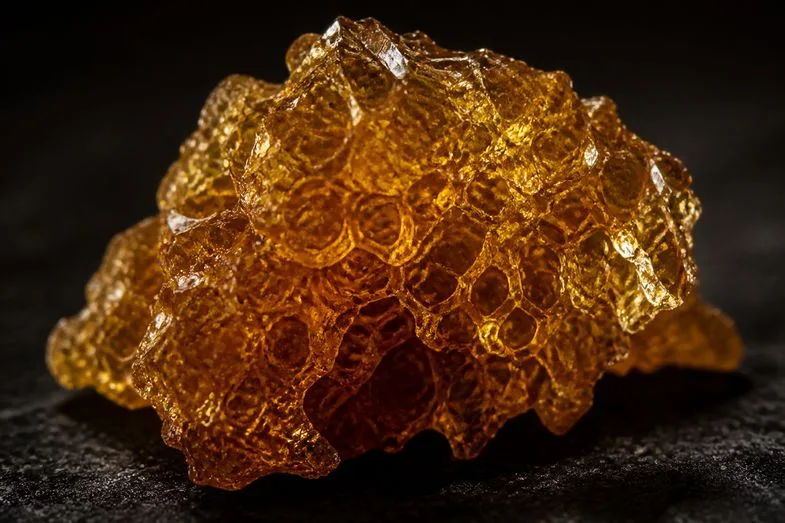
Texture is where the description becomes concrete. CBD crumble typically reads as a matte, honeycombed material in tones from pale gold to amber, breaking into loose, crumbly pieces under light pressure. These are descriptive notes about how the format looks and behaves, the kind of detail a reader can confirm on a product card.
Read this way, the texture is simply a characteristic. A crumbly surface and a dry break are visible facts about the format, not a claim of any kind, and they sit beside the colour and the named figures as part of the description. For the wider texture vocabulary across extract formats, the detail is its own topic on a dedicated page.
Read also: CBD Extract Texture: How To Read The Format
Product cards
On a product card, the texture word sits beside the other entries: the format name, the named components, the indicative figure for the extract. It is read as one description among several, not as a headline. The point is that the word crumble should match what a reader can see in the photograph and what the document records for the batch.
That is where the description earns its place. A texture term on a card is a small, checkable note, set next to figures that can be confirmed. The vocabulary is most useful when the crumble word lines up with the listing and the certificate, rather than standing alone as a label flourish that the product cannot back up.
A vocabulary with tidy boundaries
The idea that texture words need fixed meanings is familiar from older trades. A cheese grader, for instance, uses a defined vocabulary where crumbly is a recognised grade with a settled meaning, not a vague impression. The discipline is what makes the word useful: everyone agrees what crumbly describes, so the term carries real information rather than mood.
A product card works on the same principle. The word crumble is only worth printing if it has tidy boundaries, describing a dry, friable texture that a reader can verify. The grader fixed the meaning of crumbly so a judgement could be shared; a card fixes the meaning of crumble so a description can be checked, and in both cases the boundary is the point.
Read also: CBD Hash Vs CBD Extracts: Format Differences
Labels and documents
A texture word only holds if the record backs it. On a product page, the format name sits beside the figures and the batch number, and the certificate of analysis confirms them for the lot. The label describes; the document measures; the batch number ties the two together, so the crumbly material a reader sees matches the rows on the paper.
This is why a format guide ends at the document. A CBD crumble label is read against the certificate, where the THC figure is checked against the 0.3 percent threshold harmonised at European level, and the CBD figure is stated as indicative. For the framework these products sit within, our legal hemp note covers the agricultural context, and the European Commission page on hemp sets out the wider overview.
CBD crumble on a Justbob page
On a Justbob extract page, the format guide does a narrow job: a texture word, the named components, an indicative figure and the certificate that confirms them. Every commercialised product is analysed and each batch is checked, with the document available on the product page, so the crumble a reader sees can be traced to the row that records it.
Every product is produced by selected EU hemp partners and sits inside the EU industrial hemp framework, with THC kept at or below the 0.3 percent threshold harmonised at European level. Each one is offered for technical, scientific and ornamental purposes only. Read this way, on a CBD extracts page from Justbob, CBD crumble is simply a texture word, backed by a document.
Frequently asked questions about cbd crumble
What is CBD crumble?
CBD crumble is a hemp extract with a dry, friable texture, drawn from Cannabis sativa L. grown as an agricultural crop. The name describes a format that breaks into soft, crumbly pieces, sitting in the extracts family and offered for technical, scientific and ornamental purposes. It is read against the product card and the certificate of analysis for the batch, where the THC figure is checked against the 0.3 percent threshold. The texture can then be confirmed beside the measured figures rather than taken on the label alone.
Is this a how-to article?
No. This is a format guide that describes the texture and points to the document. It stays on appearance, product-card wording and the certificate, and it deliberately leaves anything beyond the format to one side. The page reads crumble as a description to be checked, which keeps the topic on what a reader can see and confirm.
Where do extract documents fit?
The certificate of analysis is where a texture word is anchored. The product card names the format and records the indicative CBD figure; the certificate measures the contents, including the THC reading checked against the 0.3 percent threshold for the lot. Following the format name from the card to the document is how a reader keeps the description tied to something measured rather than to a label flourish.